The Kobo Story: From 2010 to Today’s Lineup
Kobo started as a spinoff of Indigo Books & Music, Canada’s largest bookstore chain, founded in 2009 to build an e-reading business independent of Amazon. It entered the e-reader market in May 2010 with a device that had one clear pitch: the same E Ink reading experience Amazon and Sony were selling, at a lower price, without locking you into one bookstore. That opening move — open formats over walled gardens — is still the throughline that connects the original Kobo eReader to whatever’s on shelves this year. Everything else changed. That part didn’t.
The early years: proving the format-open bet (2010–2012)
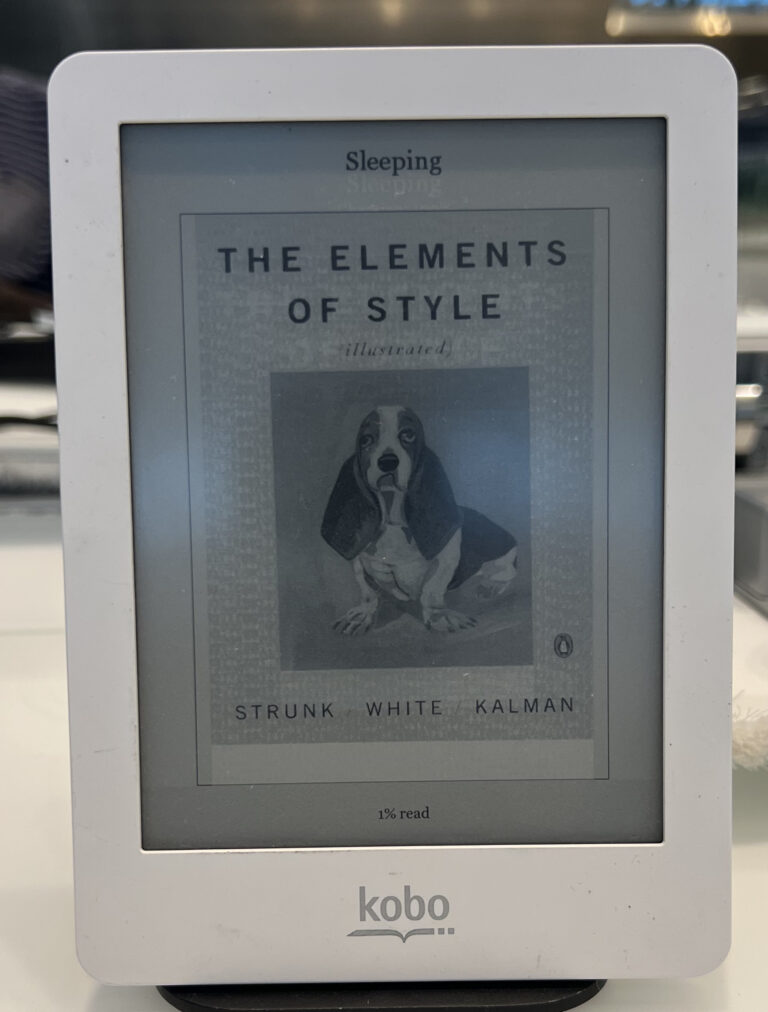
The original Kobo eReader launched at $149.99, undercutting the e-readers around it and pitching itself as “the lowest-priced 6-inch E Ink reader” you could buy. It was a modest device — a basic 6-inch E Ink screen, a card slot for extra storage, no Wi-Fi — but it did the one thing that mattered: it read EPUB natively, at a moment when the alternative was converting files or staying locked to a single retailer. The Kobo Touch followed in 2011, adding the touchscreen its predecessor lacked and Wi-Fi for the first time, and set the template Kobo has followed ever since: match the category’s going rate on price, add the feature everyone else is about to add, and lean on open formats as the reason to pick Kobo specifically.
Finding an identity: light and water (2012–2016)
This stretch is where Kobo stopped being “the cheaper open alternative” and started shipping features nobody else had yet. The Kobo Glo (2012) introduced ComfortLight, an even, adjustable frontlight built into the screen rather than bolted on as an accessory. The Aura HD (2013) pushed into genuinely high-resolution territory, aimed squarely at readers who cared about text sharpness more than anything else. And then, in 2014, the Aura H2O arrived as what Kobo itself called the world’s first premium waterproof e-reader — the single most consequential move in the brand’s history, and the one that’s still shaping the lineup a decade later. Every flagship Kobo since has been waterproof by default; that wasn’t true of the category before this device.
Scaling the idea: bigger screens, better light (2016–2019)
With waterproofing established as a baseline expectation, Kobo spent this stretch experimenting with screen size and light quality instead. The Aura ONE (2016) grew the display to 7.8 inches and added ComfortLight PRO, an automatic blue-light-reducing frontlight that shifts warmer as the day goes on — the same idea PocketBook’s SMARTlight and, eventually, Kindle’s adaptive warmth features would chase. The Forma (2018) went further still with an asymmetric body built for one-handed holding and physical page-turn buttons, a design choice aimed directly at readers who found flat rectangular slabs awkward to hold for long sessions. The Libra H2O (2019) then took that ergonomic thinking and put it at a genuinely mid-range price, which is arguably the more important device of the two — flagship ideas only matter once they’re affordable.
The current era: a tier for every reader (2020–present)
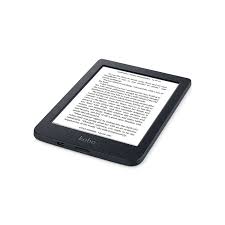
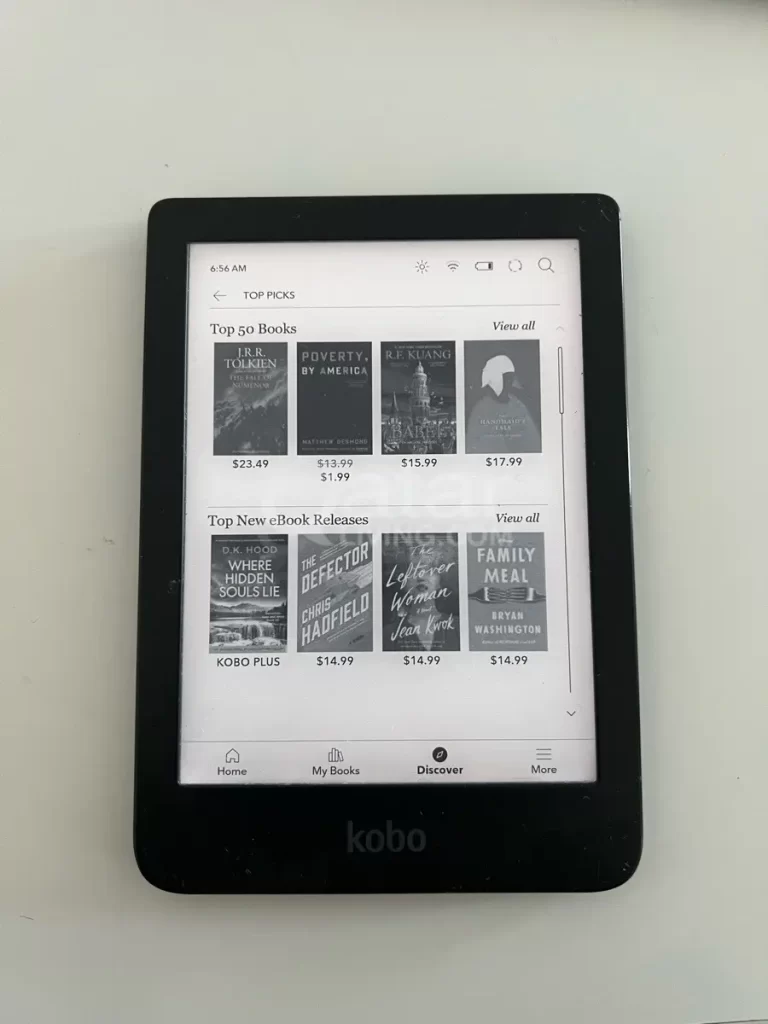
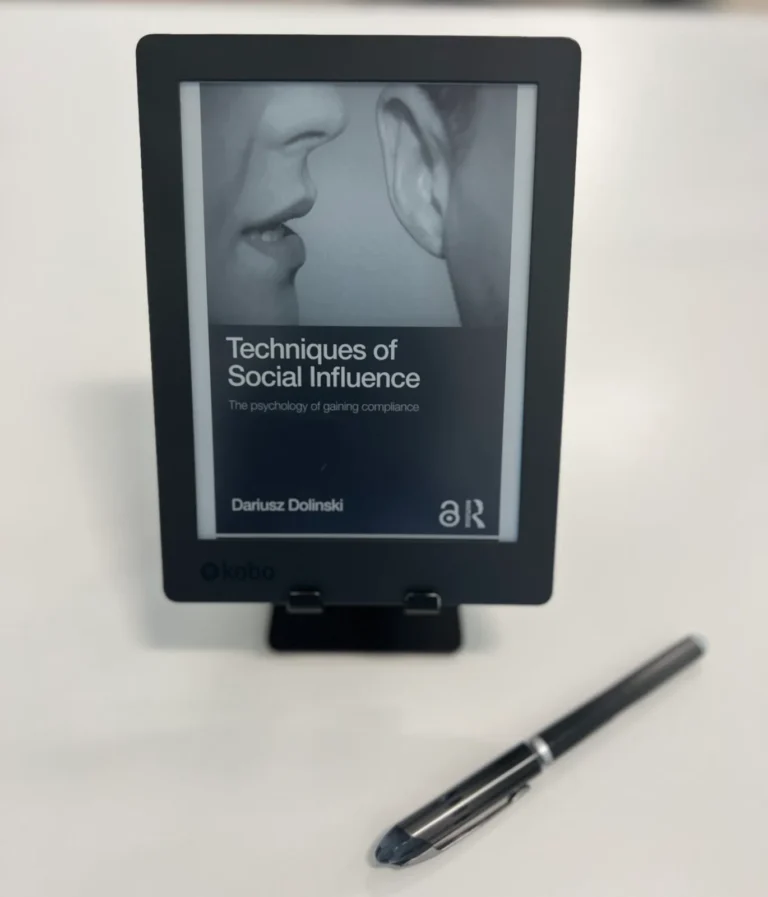
Kobo’s modern lineup reads like a direct response to “which one should I buy,” and it’s organized cleanly by what you actually do with a reader. At the entry point, the Clara BW keeps things simple and inexpensive for anyone who just wants to read. The Clara Colour and Libra Colour brought E Ink’s color technology into the mainstream lineup, most useful for covers and highlighted text rather than anything photo-realistic, with the Libra keeping the larger body and physical buttons. And at the top, the Sage and Elipsa 2E exist for a different job entirely — stylus-driven note-taking and annotation on a larger E Ink canvas, competing more directly with reMarkable than with a basic Kindle. Sixteen years after a $149 device with no Wi-Fi, the format-open bet from 2010 is still the thing that separates a Kobo from everything else on the shelf.
Want the specific-model breakdown instead of the brand history? Our Kobo FAQ guide covers which current model fits which kind of reader, and the Kobo hub has the full review catalog.